Did you know Quebecers are significantly better prepared than the rest of Canada when it comes to incapacity and estate planning, with 50–58% holding a valid will and 45% having a protection mandate? This compares to, respectively, 40-47% (wills) and 30-36% (powers of attorney) across the rest of the country. Quebec’s streamlined notarized system automatically registers documents centrally and avoids costly court fees, serving as a great model for Financial Literacy Month on why getting your affairs in order early saves loved ones time, money, and hassle.
Many wills and mandates across the country, however, are partly or significantly out of date – even in Quebec. If you don’t have them, or if they need significant updating, government officials or the law will determine what happens if you become incapacitated or die, causing headaches and costs for your loved ones. Illnesses and accidents are a fact of life: wouldn’t you prefer to choose someone to make legal, financial, property, and health care decisions for you if you cannot? Wouldn’t you rather appoint the person who will carry out your wishes, name the guardian for any young children, and decide how your property should be distributed after you die?
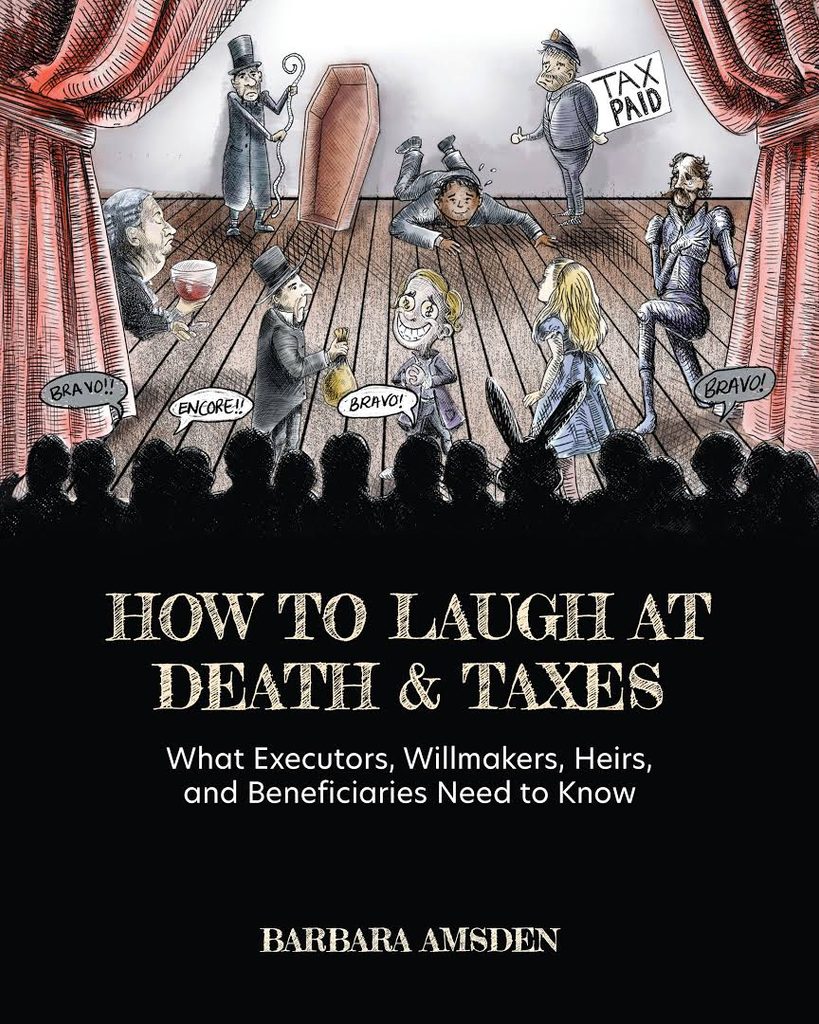
Long-time Metis summer resident and three-time co-executor Barb Amsden wrote a common-sense plain-language (and sometimes humorous) book about how to prepare for and manage the inevitable. How to Laugh at Death and Taxes is available at bookstores or online as a digital edition. While the book is not Quebec-specific – éducaloi’s wills and estates material is an excellent source for legal information – the considerations to think about, the questions to ask experts, and the general process to follow is the same across Canada even as legal, tax, accounting, and financial rules change.
