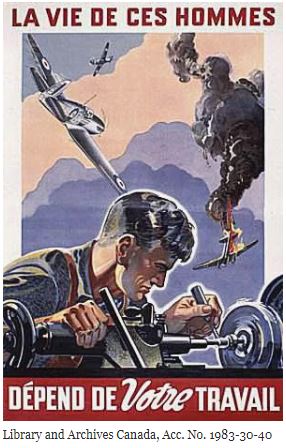
Whatever Canadians thought of the war and combat, pretty much everyone at home in Quebec and the other Canadian provinces and territories helped in some way to support those on the front lines. During the COVID epidemic, it has been a challenge for many to be separated from family and friends and to worry about the possible death of elderly loved ones; during the World Wars and in the case of other combat and peacekeeping missions, this separation and worry must have been unimaginable.
Long-awaited good news
- Waiting for word – Recollection of Sherrill Tuggey
- Waiting for word – Recollection of Hart Price
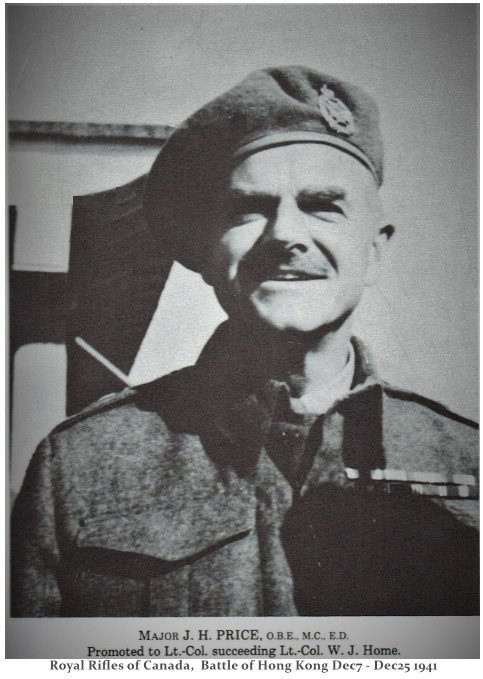
- The hoped-for letter – Letter from POW John H. Price to his children Hartland, Tom, Derek, and Peter
But not always good news…
- And the messenger boy wept… – A recollection of John Cowans what happened after the Battle of Verrières Ridge
- Black Watch decimated – Recollection of Ian Bovey
Below are a range of things that people on the home front did to “keep the home fires burning”.
Day-to-day life in Canada
- Women’s work – New responsibilities AND being a ‘single parent’ caring for family when a husband or wife might be away for months or even years
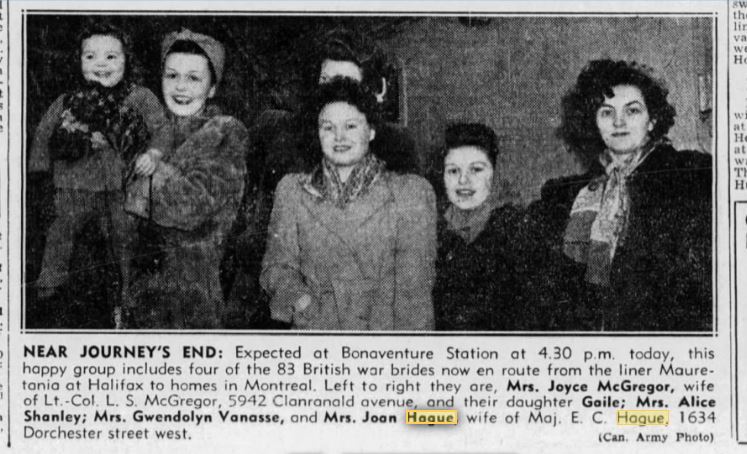
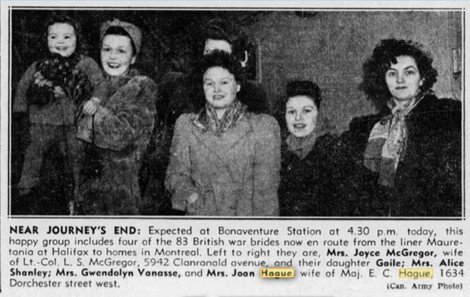
- War brides – Welcoming new Canadian women and kids – and read about Metis’s own War Brides
Stories of women on the home front
- The course of true love never did run smooth
Jim Houghton was a flight lieutenant in the RCAF in WWII, and on the training staff at the Mont-Joli airbase in the summer of 1943. His daughter, Catherine Pawley, tells of a 60-km (40-mile) round-trip bike ride along roads a lot rougher than today, which proves true love conquers all. - The regular vagaries of life go on…
Frank Cobbett was in the Royal Canadian Navy Volunteer Reserve (RCNVR) Special Branch, stationed in Shelburne, Nova Scotia, and then at Gaspé. Frank’s wife, Ruth Cobbett, tells of some of the conditions that wives experienced as they followed their husbands.
Protecting against attack risks, supporting war efforts
- Home guard: Léonette Boizard was just a toddler when World War 2 began, and eight years old at the War’s end. She recalls life in the latter part of the War, including the work of her father, who was in the Home Guard
- Blackouts: Keeping lights low – recollection of Lorna Bethell
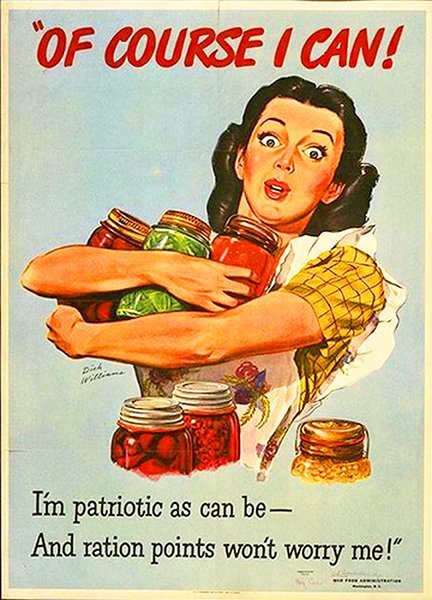
- Rationing / Eating
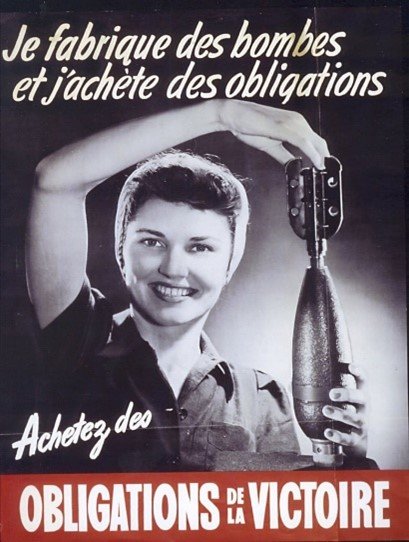
- Saving and the role of War Bonds
- Staying vigilant
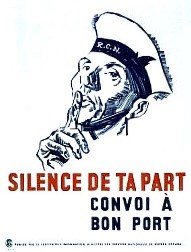
- Loose lips sink ships (and censorship)
- Spies among us – recollections of Lorna Bethell
- Rumours of enemies amongst us – Sherrill Tuggey
- Enemies amongst us confirmed – Ian Bovey
Helping out/ Volunteering
- Everyone contributed: supporting the war effort – Lorna Bethell
- Charitable organizations
- Donating to help
- Handicrafts
- The Canadian Red Cross in World War 1
- The Canadian Red Cross in World War 2
On the home front abroad
- In the First World War, George A. Grier donated ambulances that his sons drove in Europe – Recollections of Sally Tingley
- France Valliere Elkins, ambulance driver for the Red Cross in England and Canada (to follow)
- Elsie Reford, known for her social and political activism and philanthropy, served as translator and supported the Red Cross Information Bureau during World War 1
- Julia Drummond, wealthy and working, managed the Red Cross Information Bureau and Maple Leaf Club in London in WW1
And some opportunities to forget the war for a moment
- Relaxing
- Entertaining the troops
* Cascade Golf and Tennis Course: Waiving membership requirements for nearby BCATP airmen
* Hostess Houses in Metis: There were two “Hostess Houses” in Metis rented by the Royal Canadian Air Force (RCAF) during the Second World War. RCAF Station Mont-Joli, used as an RCAF bombing and gunnery school until 1945, rented these houses so that British Commonwealth pilots training at the airbase and living too far to be sent home when on leave, could relax in an English-speaking environment for a few days.
* A child’s view of World War 2 – Ian Bovey
* Dancing as part of the War effort – Sherrill Shaver