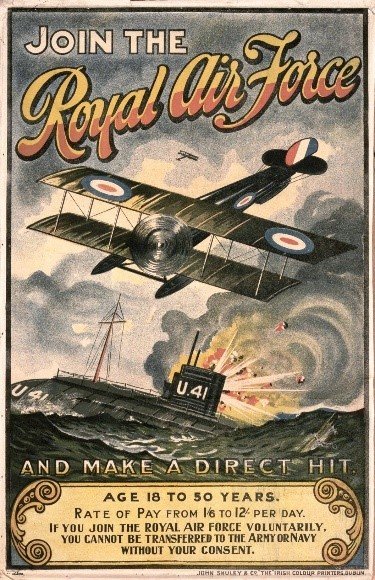
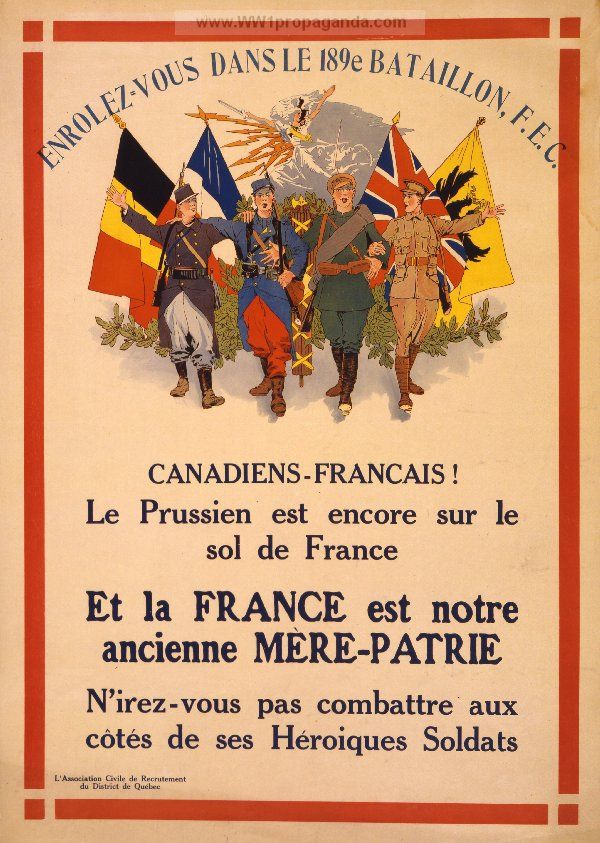
At the start of World War 1, just 11 years after the first recorded manned flight on December 17, 1903, Canadians rushed to join the British Royal Flying Corps (RFC) and Royal Naval Air Service (RNAS). To their credit, many of the Canadian would-be pilots took to the air like a duck takes to water – and flying. A number quickly proved themselves to be aces – airmen credited with shooting down five or more enemy aircraft in aerial combat.
In fact, the combat flying and shooting skills of some Canadians serving in the British air forces were so impressive that they were awarded more than 800 decorations to Canadian flyers. Three Canadians earned the Victoria Cross, the highest military decoration, for “… most conspicuous bravery, or some daring or pre-eminent act of valour or self-sacrifice, or extreme devotion to duty in the presence of the enemy.” When in 1917, Prime Minister Borden pressed for a Canadian wing for service with the Canadian Corps in France, Britain reportedly succeeded in limiting the number of Canadian squadrons to keep talented Canadian pilots and groundcrew within the RFC.
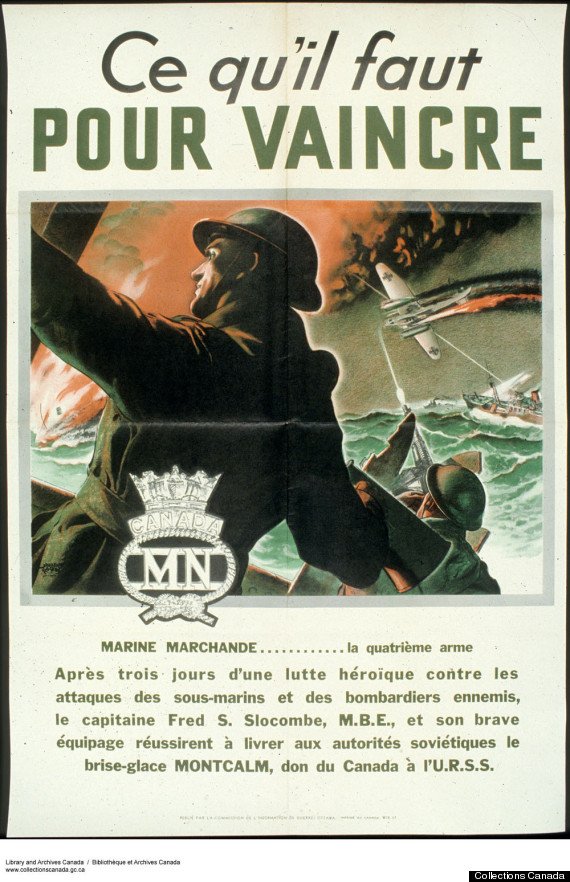
Between World Wars, several veteran fighter pilots of the First World War became pioneers of bush flying in Canada; bush pilots would have been popular to Navy recruiters as it became almost certain that what would become World War II would start.
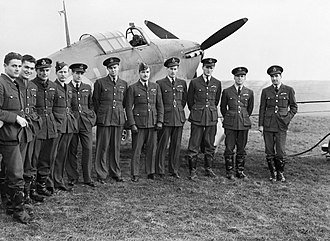
During the Second World War, many more pilots were going to be needed, and they needed planes and to be trained in a safe place, far from large populations. In 1939, Prime Minister Mackenzie King had a dream which he believed was a sign of “the power of the airplane in determining ultimate victory” in the war. That dream became a reality in the form of the British Commonwealth Air Training Plan (BCATP). “By the end of 1941, Canada was already the established epicentre for British and Commonwealth flight training … spitting out trained aircrews in as little as six months.” But at this time, bomber crews only had a 25 per cent chance of surviving their first 30 missions.
The Royal Canadian Air Force grew to be the fourth largest air force in the world. It played a leading role during the Cold War as a North Atlantic Treaty Organization (NATO) member and joint partner in the North American Aerospace Defense Command (NORAD), which providing for the air defence of this continent.
British Commonwealth Air Training Program(BCATP)
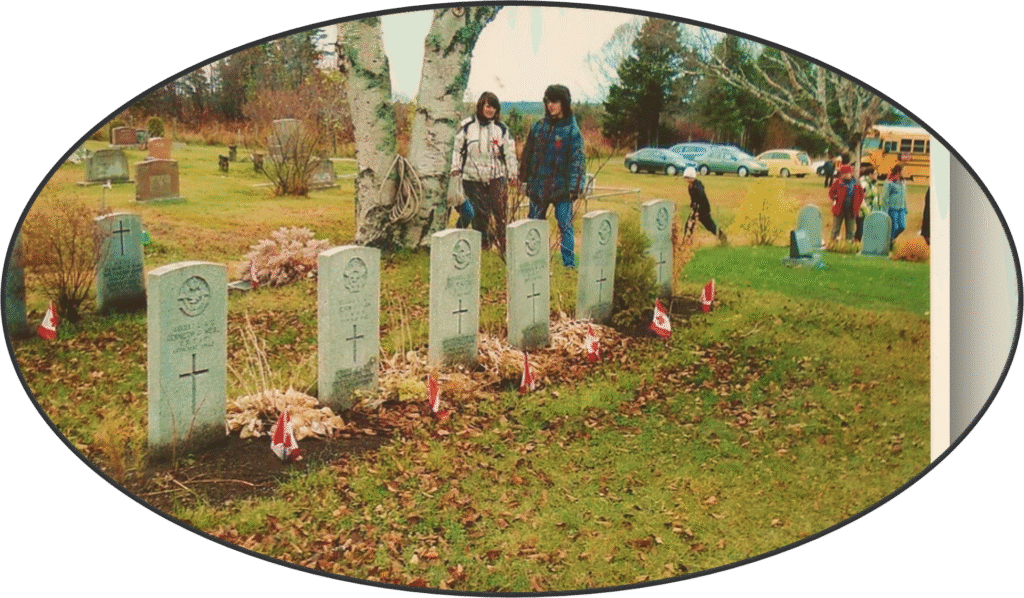
- Commonwealth airmen lost in training accidents– British, New Zealanders, and Australian
- BCATP No. 9 Bombing and Gunnery School Mont-Joli
- Paying homage to those who stayed behind to train those who fought overseas, courtesy Pierre Lagacé Collection of photos, research and tales)
- Photos and research by Clarence Simonsen, kindly shared by Pierre Lagacé
- A farmboy’s experience: Becoming an airman at BCATP Mont-Joli, Garnet Robertson
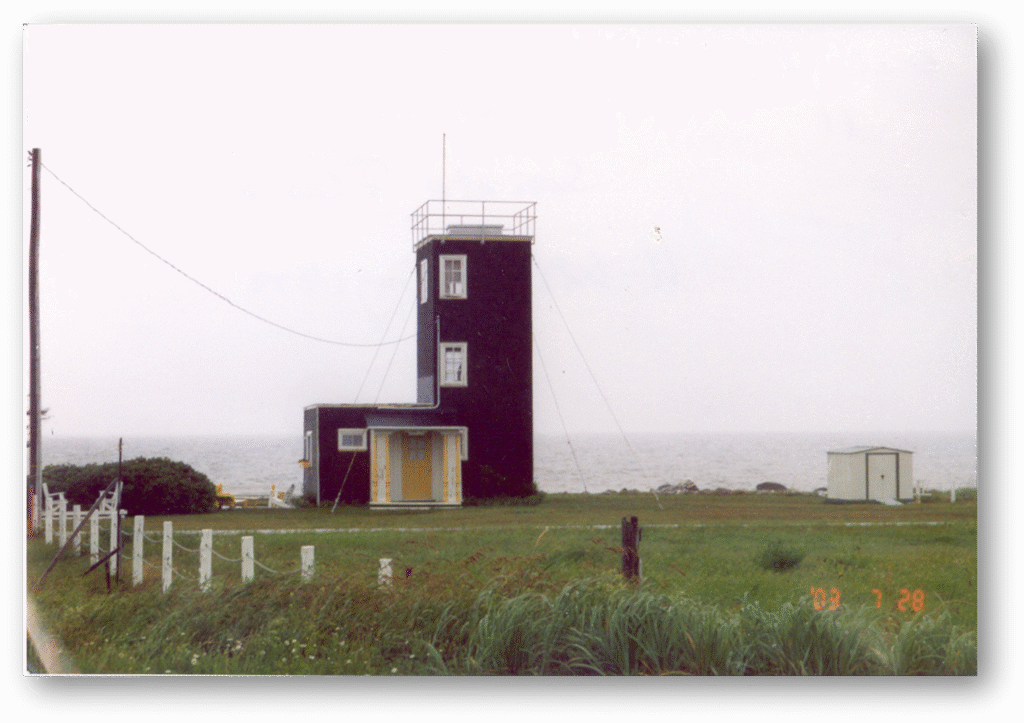
What’s that? This odd-shaped building is an observation tower located in Sainte-Flavie near Mont-Joli. It allowed surveillance of range exercises by trainee flyers attached to the 9th Bombing and Gunnery School, Mont-Joli.
Did you know… ? In 1939, Prime Minister Mackenzie King reportedly had a dream he believed was a sign of “the power of the airplane in determining ultimate victory” for the war effort. The dream became a reality with the British Commonwealth Air Training Plan (BCATP)” The BCATP was formed after Australia, Canada, Great Britain, and New Zealand signed an agreement in Prime Minister Mackenzie King’s Ottawa offices at midnight, December 16, 1939.
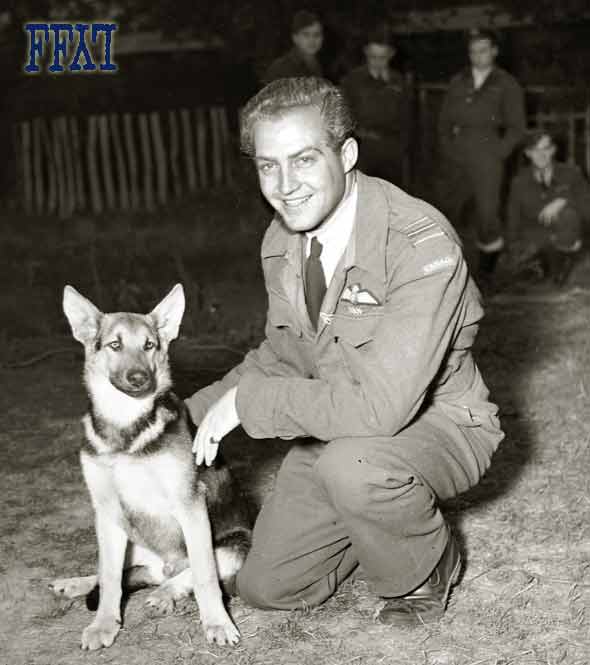
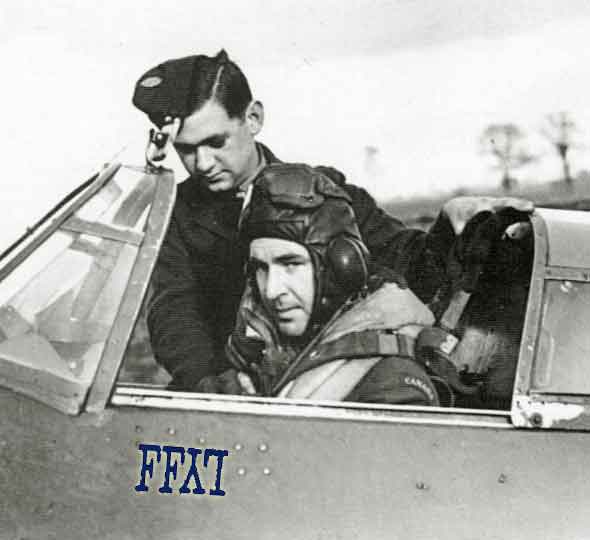
Canadian WW2 Aces from the Metis Area
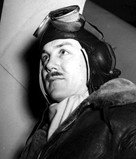
- Blair Dalzell “Dal” Russel (summered in Metis) (The Canadian Fighter Pilot & Air Gunner Museum; joe@flyingforyour life.com)
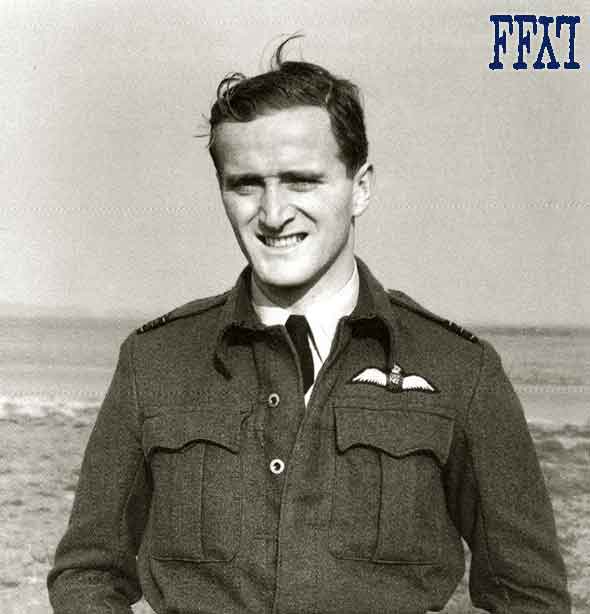
- Arthur Ross Deane Nesbitt(summered in Metis) (The Canadian Fighter Pilot & Air Gunner Museum; joe@flyingforyour life.com)
- Hartland De Montarville Molson (summered in Metis) (Aerovision; Pionnier de l’aviation)
- Paul Brooke Pitcher (summered in Metis) (The Canadian Fighter Pilot & Air Gunner Museum; joe@flyingforyour life.com)
Ferrying Planes to England: Elspeth Russell, Matanaise; the only Québec-born woman to fly in the Second World War (Aerovision; Pionnière de l’aviation))
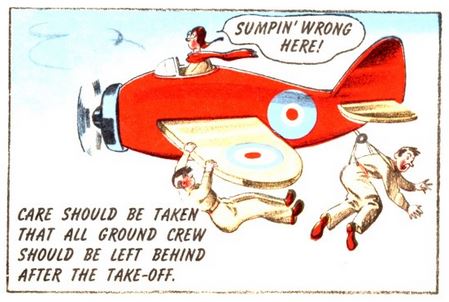
They Toil Without Glory: A homage to ground crews (Broadcast on the BBC’s Short Wave Overseas Service (Reprinted from Wings Over Borden, newsletter of No. 1 SFTS Camp Borden, November 1942)
Did you know… ? Famed aviator Douglas McCurdy, who flew the Silver Dart in 1909, spoke to Colonel Sam Hughes about forming a Canadian Air Force in August 1914 when the First World War broke out. Hughes, not yet a believer in air power, declared, “My boy, the aeroplane is the invention of the devil… and will never play any part in such a serious business as the defence of the nation!”
Did you know… ? In 1997, Canada’s General Richard Rohmer met George H.W. Bush at an event and said: “Mr. President, you and I are contemporaries. When you were flying in the U.S. Navy in the Pacific, I was flying Mustangs in Normandy with the Royal Canadian Air Force.” The then President replied: “General, nobody knows this, but by the end of 1941, just before December 7th that year, I was planning to come to Canada to join the Royal Canadian Air Force.” With the U.S. was neutral in the first two years of the Second World War until declaring war on December 8, 1941, some Americans cross into Canada to enlist with the Canadians to fight Nazi Germany.
Sources
- Des Bombardiers au-dessus du fleuve : histoire de la 9e école de bombardement et de tir de Mont-Joli, François Dornier, 2018 https://nationalpost.com/news/canada/how-george-h-w-bush-almost-fought-for-canada-in-wwii
- https://www.rcaf-arc.forces.gc.ca/en/on-windswept-heights-2/05-history.page
- https://www.veterans.gc.ca/fra/remembrance/history/second-world-war/british-commonwealth-air-training-plan